
The Köppen system, widely utilized by scientists, classifies world climates based on temperature and rainfall averages,
linking climate zones to vegetation patterns, initially developed by Wladimir Köppen in the late 19th century․

Historical Development & Wladimir Köppen
Wladimir Köppen, a German botanist and climatologist, pioneered this system at the close of the 19th century, building upon earlier biome research․ His initial framework, introduced in 1900, wasn’t static; the Köppen climate classification underwent several revisions, reflecting evolving scientific understanding․
Köppen’s core idea was a direct link between climate and vegetation․ He believed that plant life offered the best and most visible indicator of a region’s climate; This stemmed from his own botanical work and observations of how different plant communities thrived in specific climatic conditions․
The system’s initial purpose was to categorize climates for a botanical handbook, but it quickly gained traction within the broader climatological community․ It provided a standardized, empirically-based method for classifying and comparing climates globally, becoming the most widely used system by scientists today․
The Importance of Vegetation in Köppen’s System
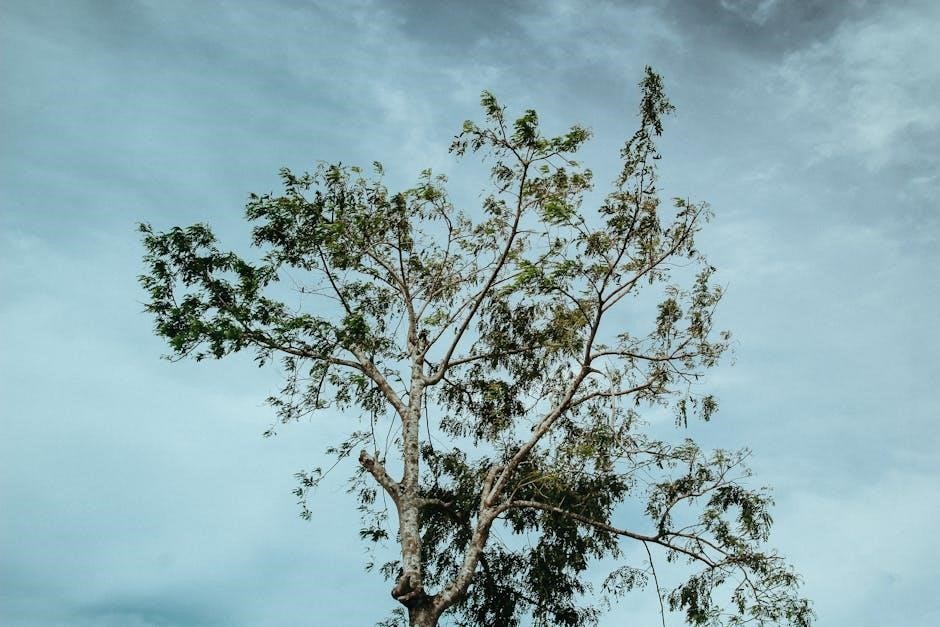
Wladimir Köppen’s foundational principle centered on the profound relationship between climate and vegetation․ He posited that plant life served as the most readily observable and reliable indicator of a region’s climatic conditions, a perspective rooted in his background as a botanist․
Unlike purely meteorological classifications, Köppen’s system directly integrated biological data․ He reasoned that the types of plants that could successfully grow in a particular area were fundamentally determined by the prevailing temperature and precipitation patterns․
This emphasis on vegetation wasn’t merely descriptive; it was analytical․ By mapping vegetation zones, Köppen could infer underlying climatic conditions, and conversely, by understanding climate, he could predict the distribution of plant communities․ This bioclimate approach remains a cornerstone of the Köppen climate classification today․
Five Main Climate Groups
The Köppen system categorizes climates into five primary groups – A, B, C, D, and E – based on temperature characteristics and precipitation patterns globally․
Tropical Climates (A)
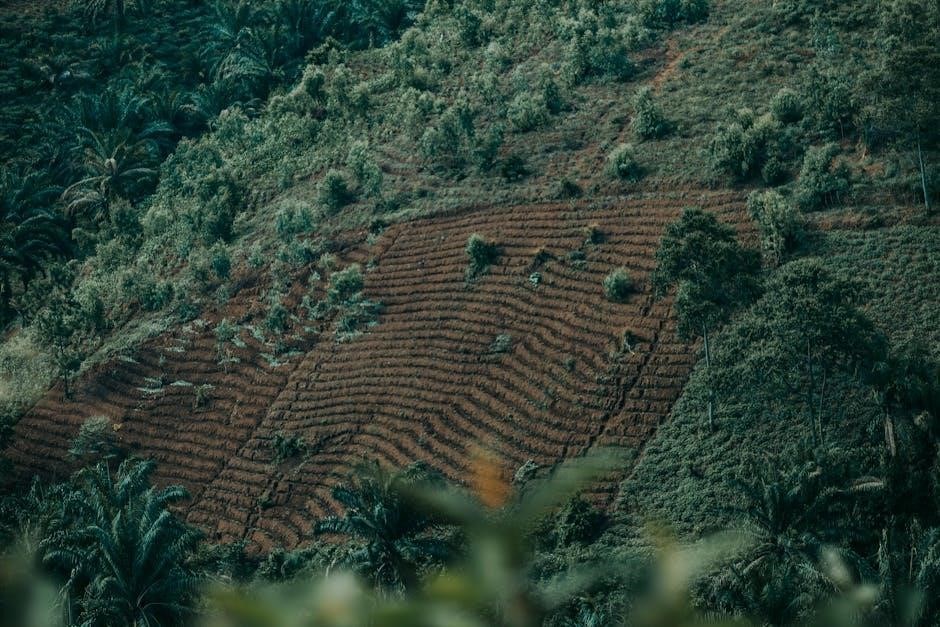
Tropical climates (A), as defined by the Köppen system, are characterized by high temperatures year-round, with average monthly temperatures never falling below 18°C (64°F)․ These climates are found near the equator and are broadly divided based on precipitation patterns․ Tropical rainforest climates (Af) experience abundant rainfall throughout the year, fostering lush vegetation and high biodiversity․
Tropical monsoon climates (Am) have a distinct wet season with intense rainfall, followed by a drier season, though still receiving significant annual precipitation․ Tropical savanna climates (Aw) feature pronounced wet and dry seasons, with grasslands and scattered trees dominating the landscape․ The consistent warmth and high humidity in these regions support unique ecosystems and influence human activities, including agriculture and settlement patterns․ Understanding these nuances within the A climate group is crucial for ecological studies and climate impact assessments․
Dry Climates (B)
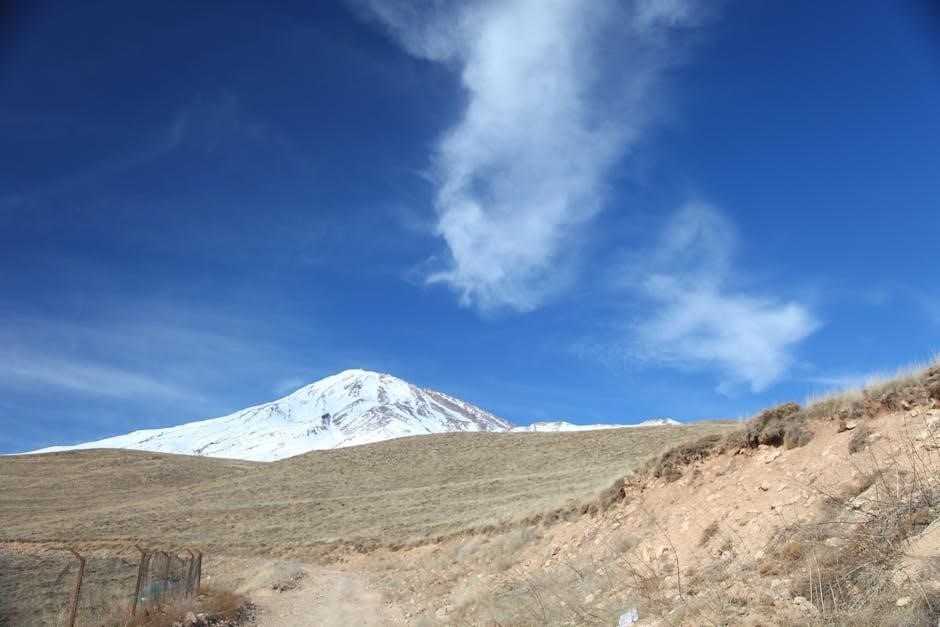
Dry climates (B), within the Köppen classification, are defined by a scarcity of precipitation relative to potential evapotranspiration․ These regions experience more water loss than they receive, leading to arid or semi-arid conditions․ Subtypes are categorized based on temperature characteristics․ Steppe climates (BS) are semi-arid, receiving slightly more precipitation than deserts and supporting grasslands or shrublands․
Desert climates (BW) are extremely dry, with minimal rainfall and sparse vegetation․ These can be further divided into hot deserts (BWh) and cold deserts (BWk), depending on temperature․ Dry climates cover a significant portion of the Earth’s land surface and present unique challenges for human habitation and agriculture․ Adaptations to water scarcity are essential for life in these environments, influencing both natural ecosystems and human societies․
Temperate Climates (C)
Temperate climates (C), in the Köppen system, are characterized by moderate temperatures with distinct seasons․ These zones experience warm, humid summers and mild winters, though variations exist․ Csa climates represent Mediterranean conditions – hot, dry summers and mild, wet winters, supporting drought-resistant vegetation․ Csb climates feature warm, dry summers but milder, wetter winters․
Cfa climates exhibit hot, humid summers and mild winters with consistent precipitation, fostering lush forests․ Cfb climates have warm, wet summers and mild winters, also supporting substantial vegetation․ These regions are often densely populated due to favorable agricultural conditions and comfortable living environments․ Temperature ranges are less extreme than in continental or polar climates, creating a balanced seasonal cycle․
Continental Climates (D)
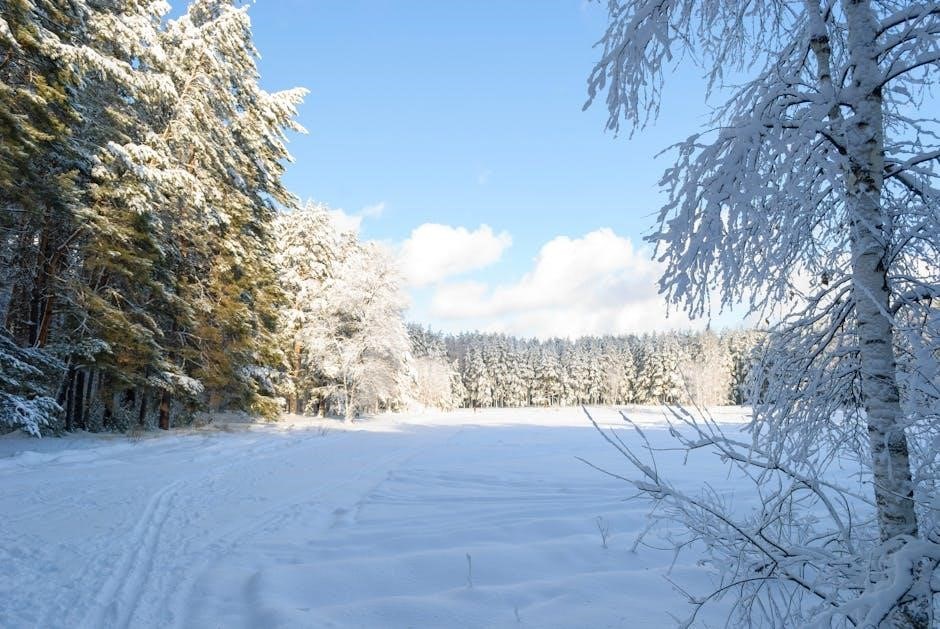
Continental climates (D) are defined by significant seasonal temperature variations, with warm to hot summers and cold, often severely cold, winters․ These climates typically occur in the interiors of continents, far from moderating oceanic influences․ Dfa climates showcase hot summers and cold, dry winters, supporting grasslands and deciduous forests․ Dfb climates exhibit warm summers and cold, snowy winters, with similar vegetation patterns․
Dwa and Dwb climates represent drier variations with monsoon-influenced precipitation․ The severity of winter increases with latitude and distance from the coast․ These regions experience a substantial range in temperature throughout the year, impacting agriculture and requiring adaptations for both human and animal life․ Forests are common, but often transition to taiga or boreal forests at higher latitudes․
Polar Climates (E)
Polar climates (E) are characterized by extremely cold temperatures year-round, with average temperatures in the warmest month below 10°C (50°F)․ These climates are found in the high latitudes of both the Northern and Southern Hemispheres, encompassing regions like Greenland, Antarctica, and parts of Canada and Russia․ ET climates represent tundra conditions, featuring permafrost and limited vegetation like mosses and lichens․
EF climates signify ice cap conditions, where permanent ice and snow cover the landmass, supporting virtually no vegetation․ Precipitation is generally low, often falling as snow․ These regions experience long, dark winters and short, cool summers․ Life in polar climates is highly adapted to the harsh conditions, with specialized flora and fauna․ The extreme cold significantly limits human habitation and agricultural possibilities․
Subdivisions Based on Precipitation
Köppen’s system further refines climate classifications using a second lowercase letter denoting precipitation patterns – wet, dry summer, dry winter, or monsoon․

The Role of the Second Letter (Lowercase)
Within the Köppen climate classification, the second letter, always lowercase, provides crucial detail by categorizing precipitation patterns throughout the year․ This addition allows for a more nuanced understanding of a region’s climate beyond just its overall temperature characteristics․ Specifically, ‘f’ indicates consistently high precipitation levels year-round, characterizing rainforest climates․ Conversely, ‘s’ denotes a dry summer season, typical of Mediterranean climates where rainfall is concentrated in the cooler months․
The letter ‘w’ signifies a dry winter, commonly found in areas with monsoon or savanna climates, experiencing a pronounced dry season during the winter months․ Finally, ‘m’ represents a monsoon climate, characterized by a short rainy season followed by a significant dry period․ These lowercase designations, therefore, are essential for differentiating between climates that might share similar temperature profiles but exhibit distinct precipitation regimes, enhancing the system’s accuracy and descriptive power․

‘f’ ― Wet Year-Round
The ‘f’ designation within the Köppen climate classification signifies a climate characterized by abundant precipitation distributed evenly throughout the year․ This consistently high rainfall, with no pronounced dry season, is the defining feature of rainforest climates․ These regions typically receive significant amounts of rainfall – often exceeding 80 inches annually – supporting lush vegetation and high biodiversity․ The consistent moisture levels are often linked to their location near the equator, where warm, moist air rises and cools, leading to frequent and heavy rainfall․
Examples of climates classified as ‘Af’ include the Amazon rainforest, the Congo Basin, and parts of Southeast Asia․ The lack of a distinct dry season allows for continuous plant growth and supports complex ecosystems․ This consistent moisture also influences soil development and hydrological processes, creating unique environmental conditions․ Understanding the ‘f’ climate is crucial for comprehending the distribution of rainforests globally․
‘s’ ― Dry Summer
The ‘s’ designation in the Köppen system identifies climates with a pronounced dry season during the summer months․ This pattern typically occurs in regions influenced by subtropical high-pressure systems, where descending air suppresses rainfall during the warmer part of the year․ While total annual precipitation may be substantial, its distribution is uneven, with most rainfall concentrated in the winter months․ These climates often experience hot, dry summers and mild, wetter winters․
The Mediterranean climates of coastal California, central Chile, and the Mediterranean Basin itself are prime examples of ‘Cs’ climates․ Vegetation in these areas is adapted to survive the dry summers, often exhibiting features like drought-resistant leaves and deep root systems․ This seasonal pattern significantly impacts agriculture and water resource management in these regions, necessitating careful planning and conservation efforts․ The ‘s’ climate is a key factor in shaping these unique landscapes;
‘w’ ― Dry Winter
The ‘w’ designation within the Köppen classification signifies climates characterized by a dry winter season․ This pattern is commonly found on the western sides of continents, in regions influenced by seasonal shifts in wind patterns and pressure systems․ During winter, these areas often experience descending air, which inhibits precipitation, leading to prolonged dry periods․ Rainfall is primarily concentrated during the warmer months, typically associated with monsoon or trade wind activity․
A classic example of a ‘Cw’ climate is found in parts of Southeast Asia, where the winter dry season contrasts sharply with the wet monsoon season․ Vegetation in these regions is adapted to cope with this pronounced seasonality, often exhibiting deciduous characteristics․ Understanding the ‘w’ climate is crucial for managing water resources and agricultural practices in these areas, as the timing of rainfall is critical for crop production and overall ecosystem health․
‘m’ ー Monsoon
The ‘m’ designation in the Köppen system identifies climates with a distinct monsoon season – a period of heavy rainfall driven by seasonal wind reversals․ These climates are typically found in tropical and subtropical regions, particularly in South and Southeast Asia, parts of Africa, and northern Australia․ The monsoon is characterized by a dramatic shift in wind direction, bringing moist air from over the oceans onto land during the summer months․
This influx of moisture results in intense, prolonged rainfall, often leading to flooding․ The ‘Am’ climate, for instance, is a tropical monsoon climate with a short dry season․ Vegetation in monsoon regions is lush and adapted to high rainfall, supporting diverse ecosystems․ Understanding monsoon patterns is vital for agriculture, water management, and disaster preparedness in these vulnerable areas, as the timing and intensity of the monsoon directly impact livelihoods and infrastructure․

Subdivisions Based on Temperature
Temperature variations within climate groups are crucial; the Köppen system uses specific thresholds to classify climates,
analyzing average temperatures to define distinct zones and patterns․
Temperature Variations within Climate Groups
Within each main climate group – Tropical, Dry, Temperate, Continental, and Polar – significant temperature variations exist, influencing the specific characteristics of each sub-climate․ The Köppen system doesn’t treat each group as homogenous; instead, it acknowledges the nuances created by differing temperature ranges․ For instance, within Temperate climates (C), variations in summer and winter temperatures lead to distinctions like Mediterranean climates (Cs) with warm, dry summers and mild, wet winters, versus Oceanic climates (Cfb) with milder temperature swings year-round․
These temperature differences directly impact vegetation types and ecosystem structures․ Understanding these variations is vital for accurately classifying a region’s climate and predicting its ecological responses․ The system meticulously considers average temperatures, the length of the warm season, and the severity of cold periods to delineate these sub-climates, providing a detailed and geographically relevant classification․
Specific Temperature Thresholds for Classification
The Köppen system employs precise temperature thresholds to differentiate between climate groups․ For example, Tropical climates (A) are defined by average temperatures above 18°C (64․4°F) in every month․ Conversely, Polar climates (E) consistently remain below 10°C (50°F)․ Continental climates (D) experience significant temperature differences, with warm summers and cold winters, requiring a specific range where the warmest month exceeds 10°C but the coldest month falls below -3°C (26․6°F)․
Temperate climates (C) fall between these extremes, with thresholds defining warm and cool summer subtypes․ Dry climates (B) are categorized based on precipitation, but temperature influences the specific desert or steppe classification․ These thresholds aren’t arbitrary; they correlate with vegetation distribution and ecological boundaries, making the system ecologically meaningful and providing a robust framework for climate analysis․
The Köppen-Geiger Climate Classification
Köppen-Geiger refines the original system, incorporating modern data and dividing climates into five main groups and 30 classes based on precipitation and temperature․
Refinements and Modern Updates
The Köppen system, initially introduced in 1900, hasn’t remained static; it has undergone several revisions to enhance its accuracy and applicability․ Rudolf Geiger collaborated with Köppen, leading to the Köppen-Geiger climate classification, which incorporated more detailed criteria and expanded the system’s scope․
Modern updates involve utilizing advanced computational methods and extensive datasets to analyze climate patterns with greater precision․ These refinements address limitations in the original system, particularly in regions with complex topography or limited historical data․ The system now incorporates more nuanced temperature thresholds and precipitation patterns, resulting in a more detailed and geographically specific classification․
Furthermore, contemporary applications integrate the Köppen-Geiger system with Geographic Information Systems (GIS) and remote sensing technologies, enabling dynamic mapping and monitoring of climate zones․ This allows scientists to track climate change impacts and predict future shifts in climate patterns with increased confidence․
30 Different Climate Classes
The Köppen-Geiger climate classification meticulously divides the world into 30 distinct climate classes, building upon the five main climate groups – A (Tropical), B (Dry), C (Temperate), D (Continental), and E (Polar)․ These classes are defined by combinations of temperature and precipitation characteristics, indicated by letter codes․
For instance, Tropical climates are further categorized into rainforests (Af), monsoon climates (Am), and savanna climates (Aw), based on seasonal precipitation patterns․ Similarly, Dry climates are classified as deserts (BW) or steppes (BS), depending on the level of aridity․ Each main group is subdivided using lowercase letters denoting precipitation regimes – ‘f’ for wet, ‘s’ for dry summer, ‘w’ for dry winter, and ‘m’ for monsoon․
This granular classification allows for a highly detailed understanding of regional climate variations and their influence on ecosystems and human activities, providing a comprehensive framework for climate analysis․
Applications of the Köppen System
This system aids in understanding ecosystem structure and predicting climate impacts, offering insights into how climate influences natural systems and their vulnerabilities․
Understanding Ecosystem Structure

The Köppen climate classification provides a foundational framework for comprehending the distribution and characteristics of various ecosystems globally․ By delineating climate zones based on temperature and precipitation patterns, the system reveals strong correlations between climate and vegetation types․
For instance, tropical rainforests, characterized by consistently high temperatures and abundant rainfall (Af climate), support incredibly diverse plant and animal life․ Conversely, deserts (B climates), with their aridity, foster specialized ecosystems adapted to extreme water scarcity․ Temperate deciduous forests (Cfa climates) thrive in regions with moderate temperatures and distinct seasons, supporting a different array of species․
Understanding these climate-ecosystem relationships is crucial for conservation efforts, resource management, and predicting how ecosystems might respond to future climate change․ The system allows scientists to anticipate shifts in species distribution and potential ecosystem disruptions, informing strategies for mitigating environmental impacts․
Predicting Climate Impacts
The Köppen climate classification serves as a vital tool for modeling and predicting the impacts of climate change on regional and global scales․ By establishing a baseline understanding of current climate zones, scientists can assess how shifts in temperature and precipitation patterns will alter these zones over time․
For example, projections of increasing global temperatures suggest a potential expansion of tropical climates into previously temperate regions, leading to shifts in vegetation zones and potential disruptions to agricultural practices․ Similarly, changes in precipitation patterns could exacerbate drought conditions in already arid areas (B climates), increasing the risk of desertification․
The system facilitates the identification of vulnerable ecosystems and populations, enabling proactive adaptation strategies․ Analyzing climate classifications alongside climate models allows for more accurate predictions of future environmental changes and informs policy decisions aimed at mitigating climate risks․